TIX, a settlement layer for the live events industry, has emerged from stealth to apply decentralized finance (DeFi) lending and on-chain settlement to an industry that has long functioned as a private credit marketplace.
To date, the TIX Network has facilitated over $8 million in ticket sales and generated approximately $2 million in venue financing. The activity was conducted through KYD Labs, and TIX is expected to launch on the Solana mainnet by mid-2026, the company told Cointelegraph.
TIX, led by Ticketmaster and Buildspace veterans, serves as the underlying settlement and funding layer for KYD Labs, a consumer-facing ticketing platform that raised $7 million in a funding round led by venture capital firm a16z.
While KYD Labs provides the interface used by venues and artists to sell tickets and manage eventsTIX manages the onchain infrastructure, tokenizing tickets and enabling funding, settlement and refund flows.
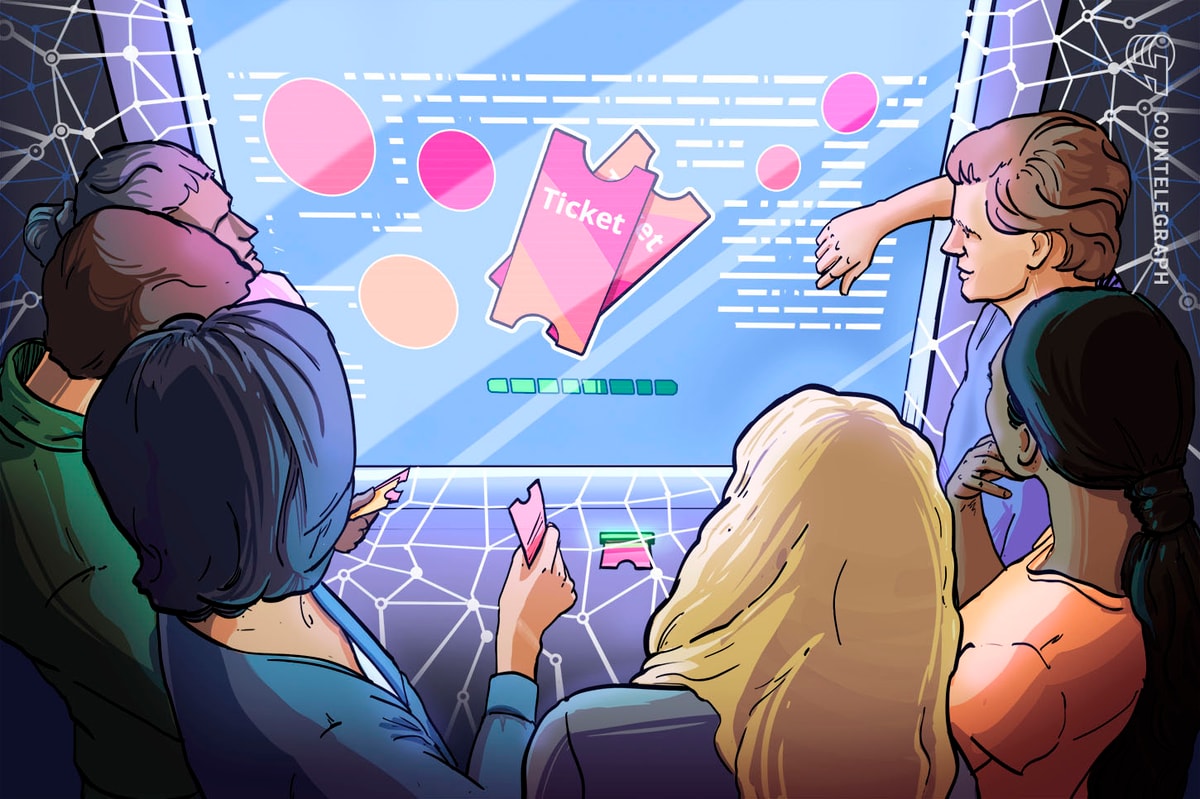
TIX aims to address what it describes as the live events industry‘s credit and debt model, in which venues and promoters rely on upfront financing before ticket sales. To do this, the company turns tickets into real-world assets (RWA) on-chain.
In practice, the model is designed to allow venues to access up-front capital from multiple sources, allow artists to sell tickets directly, and offer fans lower fees and more transparent resale policies.
Related: Securitize hires ex-PayPal exec as US tokenization gains traction
Ticketmaster takes blockchain technology seriously
While blockchain-based settlement layers seek to disrupt Ticketmaster’s dominance in the ticketing industry, the company itself has been experimenting with the technology for several years.
Ticketmaster works with blockchain technology since at least 2019 And chose the Flow blockchain in 2022 to support its non-fungible token (NFT)-based ticketing initiatives.
Since then, Ticketmaster has issued nearly 100 million NFT tickets, according to a report from TheStreet, which cited the continued integration of NFT technology into several applications as evidence of sustained adoption despite the decline in hype since 2022.
At the same time, proponents of RWA technology say it offers clear benefits for ticketing, including the ability to create tickets as unique digital assets reducing fraud and counterfeiting. Tokenization can also introduce greater transparency and control into secondary resale markets.
Although NFTs and RWAs may overlap, they describe distinct concepts. NFTs refer to the technical format of a token, while RWAs describe the underlying asset or rights represented. In ticketing, an RWA can be implemented using NFTs to tokenize access.
Related: License-to-earn protocol transforms intellectual property rights into RWA