Key points to remember:
Dormant Bitcoin holders moving large sums to exchanges raise concerns about long-term trust amid growing concerns about the potential impact of quantum computing.
Strong inflows into Bitcoin ETFs have failed to improve sentiment, with traders instead turning to fast-growing privacy coins, such as ZEC and DCR.
Bitcoin (BTC) has repeatedly struggled to keep prices above $106,000 since early November, despite the S&P 500 sitting 1% below a new all-time high. Meanwhile, gold, the traditional store of value, pared its recent losses and is now trading just 4% below its previous record high of $4,380.
Many traders say that factors unique to the cryptocurrency industry can affect Bitcoin’s performance, but are they severe enough to prevent BTC from reaching $112,000 again?

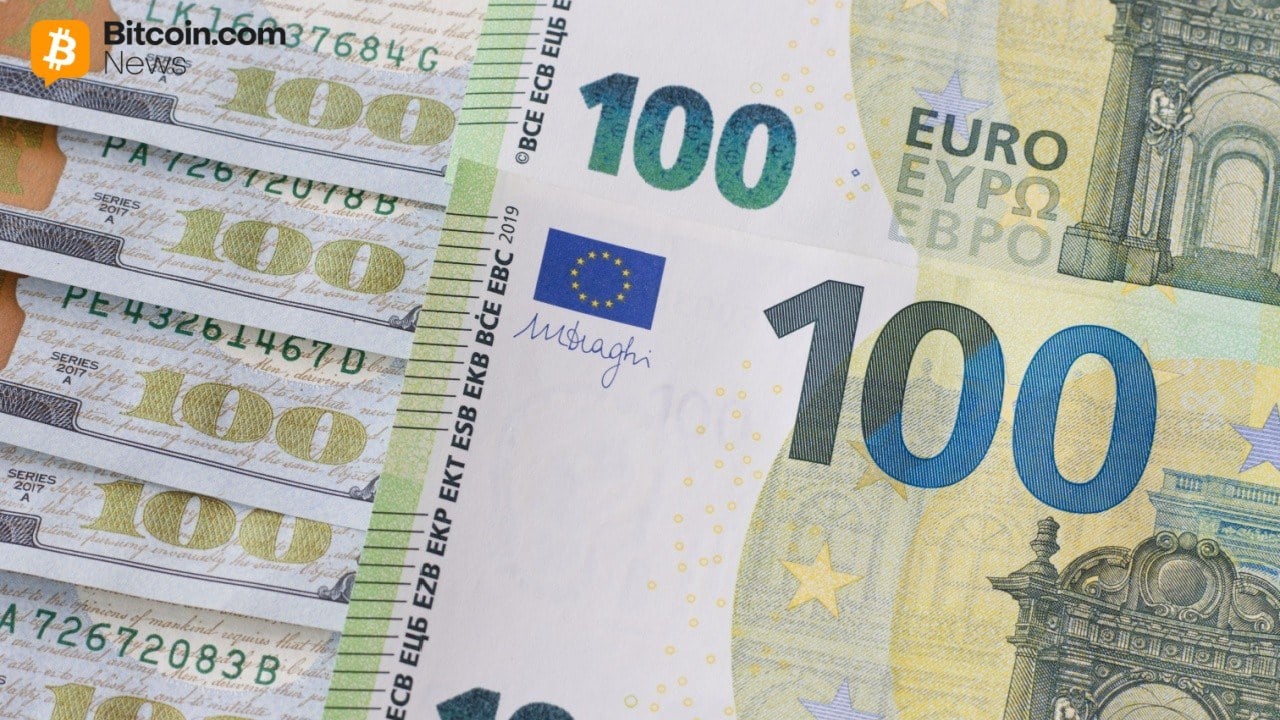
The recent strengthening of the US Dollar Index (DXY) against a basket of major currencies reflects renewed confidence in the US Treasury’s ability to manage its fiscal challenges. When investors fear stagnant growth amid persistent inflation – a scenario often described as stagflation – the domestic currency typically weakens, with monetary expansion becoming inevitable.
For this reason, traders often emphasize the long-standing inverse correlation between the DXY and the price of Bitcoin. In contrast, the U.S. stock market tends to benefit from a stronger dollar and lower interest rates. Lower borrowing costs increase company valuations, while favorable exchange rates make imported products more affordable when denominated in the local currency.

Companies pursuing Bitcoin reserve strategies, such as Strategy (MSTR) and Metaplanet (MTPLF), have previously been among the biggest corporate buyers, particularly when their shares were trading at a premium to their underlying assets. The mNAV multiple captures this relationship, representing the value of Bitcoin held relative to the company’s enterprise valuation.
Falling Bitcoin Price Eradicates Stock Issuance Incentives for Companies
The recent downturn in the cryptocurrency market has largely erased this advantage, removing any incentive for companies to issue additional shares. At current price levels, any new issue would dilute existing shareholders, making it an unattractive option without a significant mNAV premium.
These companies can still raise funds through debt or convertible securities, but this type of financing is generally less beneficial to investors. Debt holders often demand collateral, which effectively reduces the amount of Bitcoin counted toward a company’s enterprise value; thus limiting the potential growth of mNAV.
Investor anxiety mounted after long-term Bitcoin holders, including those from 2018 or earlier, began selling amid a 20% pullback from the all-time high of $126,220. A notable case is believed to be Owen Gundenan arbitrage trader from the days of the failed Japanese exchange Mt. Gox, who reportedly holds more than $1 billion worth of Bitcoin.

In the last week alone, Owen transferred over 1,800 BTC to the Kraken exchange, worth over $200 million. While it’s not unusual for long-inactive addresses to move funds, traders wonder whether these transactions reflect a long-term loss of confidence, particularly amid growing concerns about quantum resistance and a strong rally in financial markets. privacy-focused cryptocurrencies.
Zcash (ZEC) jumped 99% in the last 30 days, followed by a 74% gain in Decred (RCD), a 37% increase in Dash (DASH) and a 22% increase in Monero (XMR). Despite $524 million in net inflows into Bitcoin spot exchange-traded funds (ETFs) on Tuesday, buyer sentiment remains subdued, leaving the chances of BTC reaching $112,000 in the near term relatively low.
Selling by long-term Bitcoin holders, continued strength in the U.S. dollar, and growing interest in privacy-focused tokens are collectively putting the brakes on Bitcoin’s rally, keeping prices below $106,000 and signaling that significant upside may remain limited.
This article is intended for general information purposes and is not intended to be and should not be considered legal or investment advice. The views, thoughts and opinions expressed herein are solely those of the author and do not necessarily reflect or represent the views and opinions of Cointelegraph.